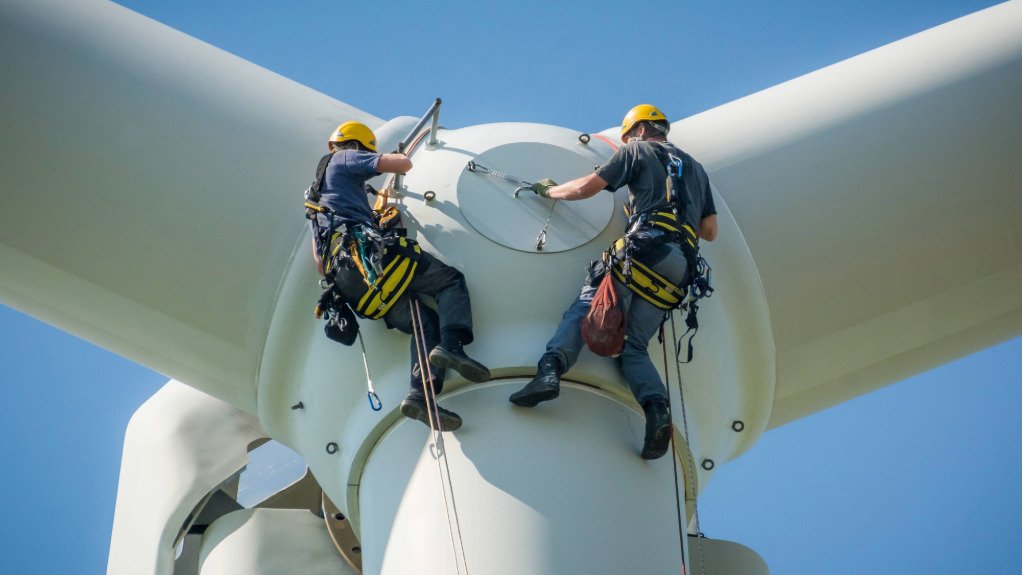
In the dynamic world of renewable energy, safety is paramount. Wind turbine technicians face unique challenges daily. Understanding CPR (Cardiopulmonary Resuscitation) and LVR (Low Voltage Rescue) is crucial for them.
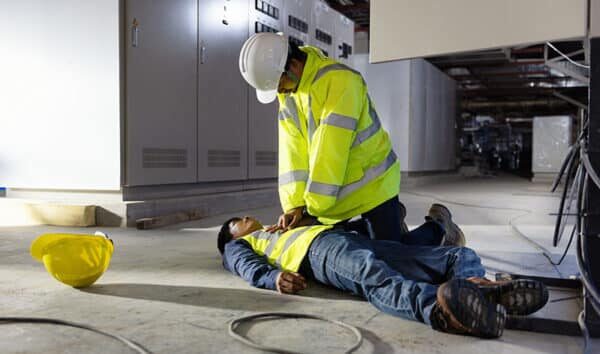
These skills are not just about compliance. They are about ensuring safety in high-risk environments. CPR is a life-saving technique used when breathing or heartbeat stops. LVR focuses on managing electrical incidents safely.
For aspiring wind turbine technicians, mastering these skills is essential. It enhances their ability to respond effectively in emergencies. CPR training equips individuals with vital skills like chest compressions and rescue breaths.
LVR training emphasises quick and safe responses to electrical hazards. Both certifications are often required in the renewable energy sector. They ensure technicians can handle emergencies confidently.
Training programmes offer flexible learning options. These include online courses and in-person workshops. Staying updated with the latest techniques is vital as guidelines evolve. CPR and LVR skills contribute to a safer working environment for everyone.
Understanding CPR & LVR: What Are They and Why Do They Matter?
CPR and LVR are critical components in the field of renewable energy. These two safety measures can significantly impact workplace safety for wind turbine technicians.
CPR, or Cardiopulmonary Resuscitation, is a life-saving procedure. It is administered during emergencies when breathing or cardiac function ceases. The main goal is to preserve brain function until further medical help is available. The Australian Resuscitation Council (ARC) sets the guidelines that all accredited CPR courses in Australia must follow.
LVR, or Low Voltage Rescue, focuses on safely managing electrical incidents. It is essential for environments like wind turbines where electrical systems are prevalent.
Both CPR and LVR are vital for several reasons:
- They prepare individuals to act swiftly in emergencies.
- They enhance overall workplace safety and reduce risks.
- They instil confidence in handling life-threatening situations.
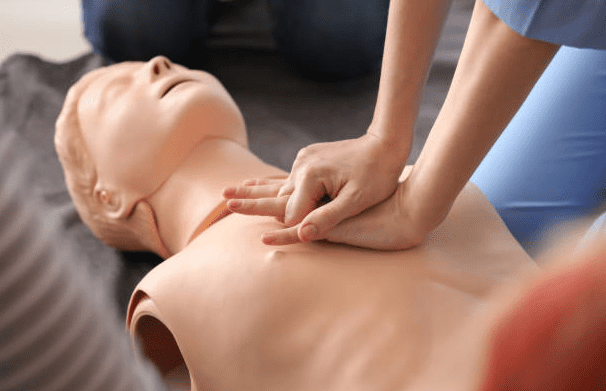
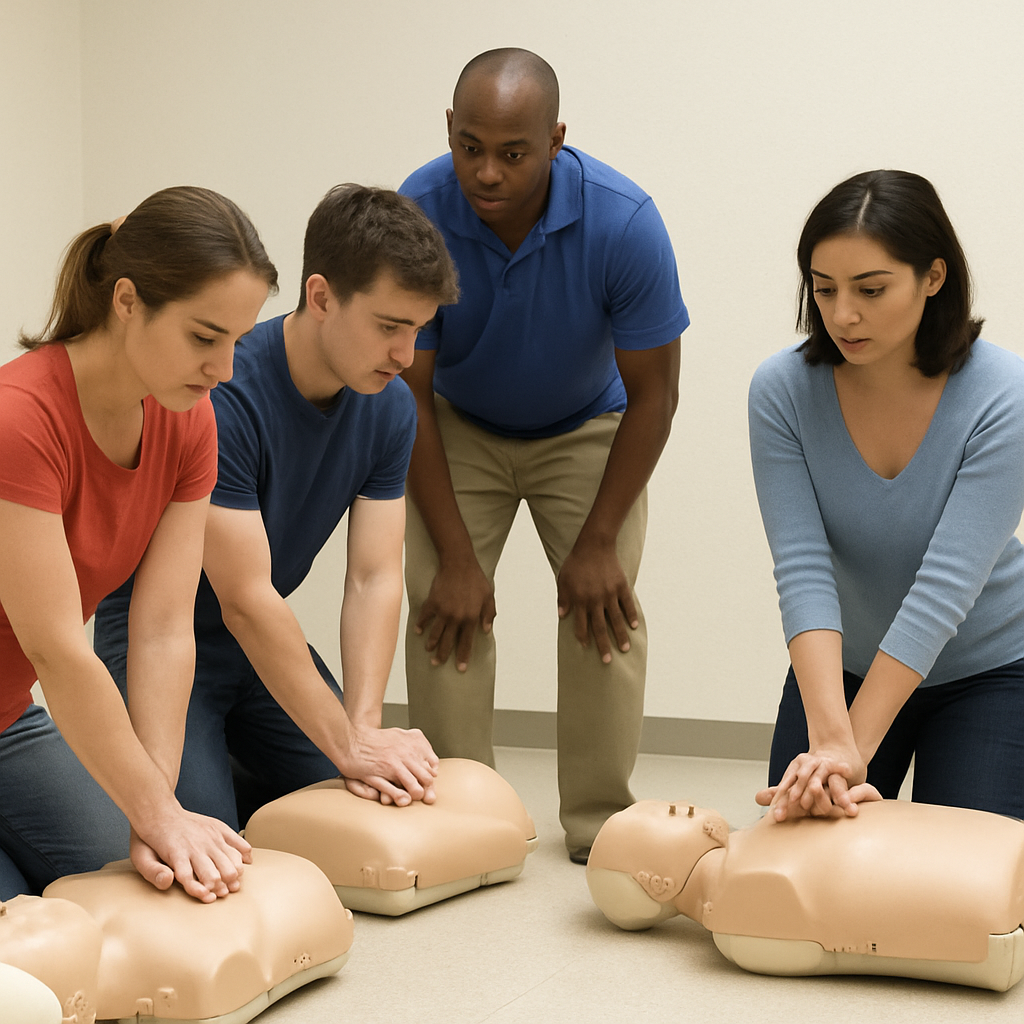
CPR training involves teaching effective chest compressions and rescue breaths. On the other hand, LVR training equips individuals to perform rescues in low voltage scenarios.
Understanding these techniques is not just about personal safety. It’s about ensuring the safety of colleagues and contributing to a safe work environment. Combined, CPR and LVR form a foundational knowledge essential for those in high-risk occupations.
For wind turbine technicians, mastering these skills can mean the difference between life and death. It’s a professional commitment to safety and preparedness in the renewable energy sector.
The Importance of CPR & LVR in the Renewable Energy Sector
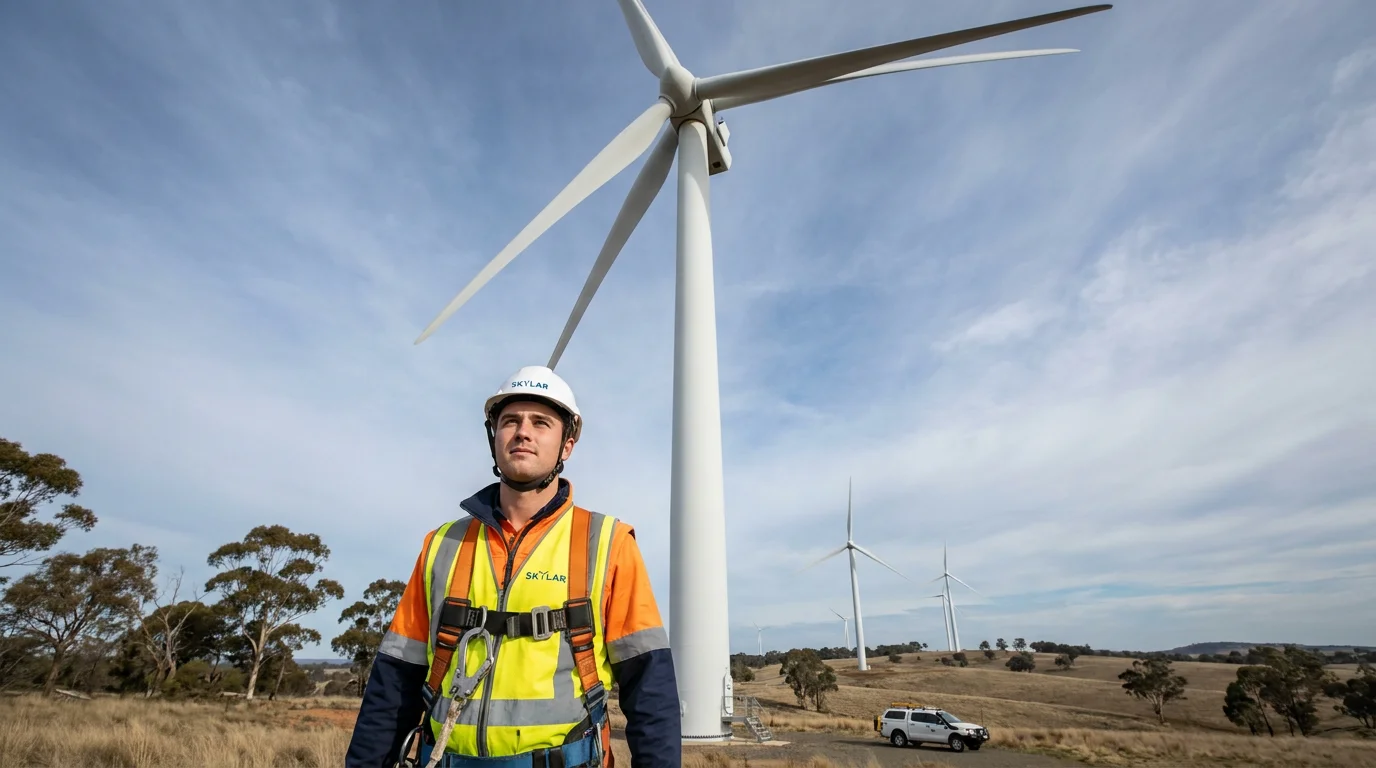
The renewable energy sector is growing rapidly. Australia’s Clean Energy Council reports ongoing strong growth in wind energy installations, bringing with it an increasing demand for skilled and safety-certified technicians. However, with growth come new challenges, especially regarding safety. Wind turbines, a core part of this sector, present unique risks.
Working at heights and dealing with electrical systems requires specific safety skills. CPR and LVR training are invaluable in this context. These certifications equip technicians with life-saving techniques.
Focusing on CPR and LVR is crucial for several reasons:
- Ensures quick response to electrical and medical emergencies.
- Promotes a culture of safety and preparedness.
- Reduces potential downtime due to accidents.
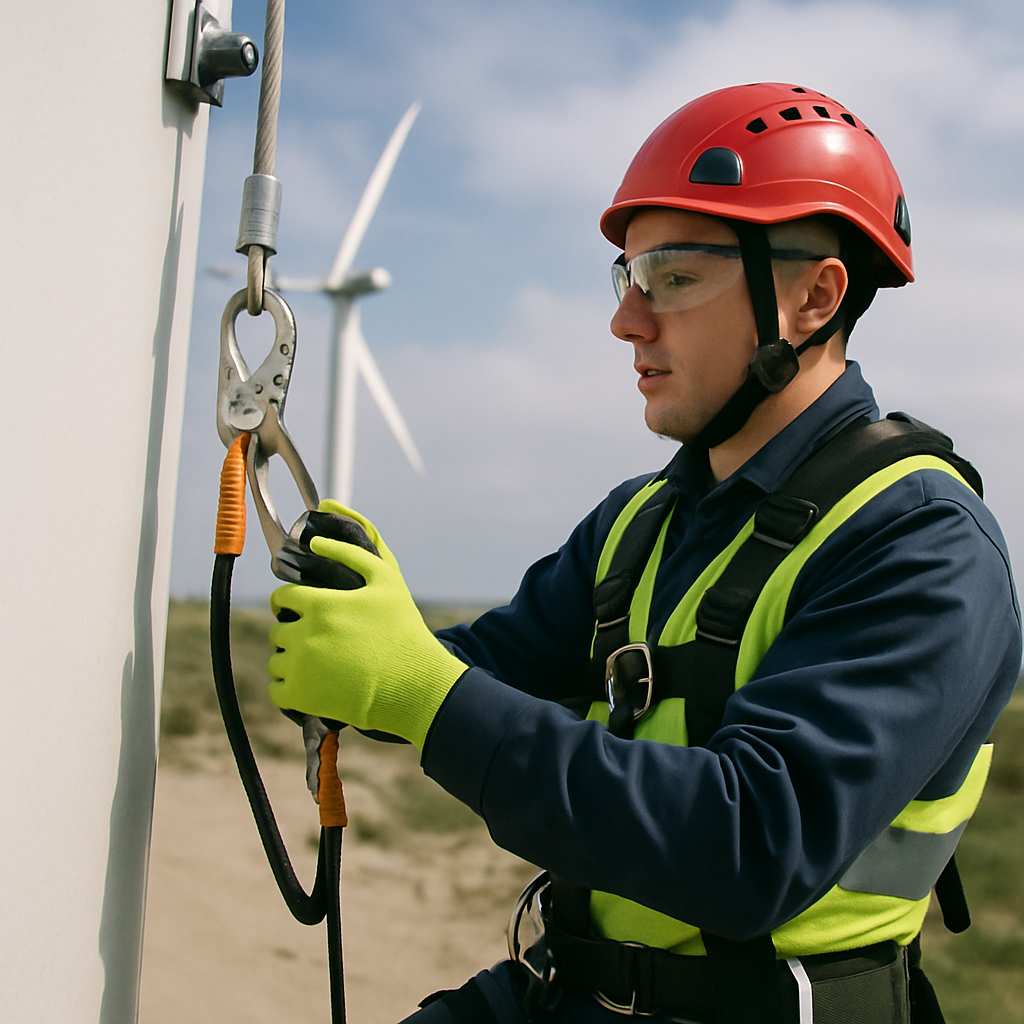
In emergency situations, time is of the essence. CPR can sustain life until emergency responders arrive. LVR, meanwhile, focuses on safely managing electrical hazards, a common issue in wind operations.
Employers increasingly value technicians with these certifications. They are seen as more competent and reliable, enhancing employability and career prospects.
Moreover, these skills contribute to compliance with Safe Work Australia regulations. This is vital for maintaining operational standards within the industry.
Ultimately, CPR and LVR are not just skills — they are essential tools for securing the future of renewable energy. In mastering these, technicians play a pivotal role in shaping a safer industry environment.
CPR Training: Skills, Techniques, and Certification
CPR training is a cornerstone of emergency preparedness. It equips individuals with crucial skills to manage life-threatening situations. Understanding CPR can mean the difference between life and death.
Participants learn several key techniques in CPR training:
- Chest compressions to maintain blood flow.
- Rescue breaths to provide oxygen.
- Use of Automated External Defibrillators (AEDs).
Courses blend theory and hands-on practice. Real-life simulations help trainees master these techniques. This practical experience boosts confidence in emergency scenarios.
Training often includes first aid components, broadening the trainee’s ability to handle various emergencies. Skylar Education also offers a dedicated Provide First Aid course for those looking to build on their CPR training with a broader skill set.
Certification is a vital step after training. It validates the technician’s ability to perform CPR. Many employers require this certification as a job prerequisite.
Getting certified enhances a technician’s credibility. It shows they can handle high-pressure situations effectively. The certification process typically involves a practical assessment and a written test.
Continuous education is important. Staying updated with CPR guidelines ensures skills remain sharp and effective. Employers value technicians who renew their certifications regularly.
In the renewable sector, such training is imperative. Wind turbine technicians often work in isolated locations. Here, quick and effective action is paramount.
Ultimately, CPR certification is not only a skill but a testament to a technician’s commitment to safety.
What to Expect in a CPR Training Course
Enrolling in a CPR course opens doors to essential life-saving knowledge. Whether online or in-person, each course includes core components. Expect a mix of interactive lessons, practical sessions, and assessments.
The course begins with an overview of CPR principles. This foundational knowledge is key to understanding why each technique matters. Soon after, trainees dive into practical skills.
Expect to practise on manikins. This hands-on approach ensures familiarity with the physicality of CPR. You’ll engage in:
- Delivering chest compressions correctly.
- Administering rescue breaths effectively.
- Utilising AEDs confidently.
Instructors often use video aids and demonstrations. These resources help clarify complex steps and reinforce learning. Trainees gain insight into various emergency scenarios they might face.
Courses conclude with a skills test. This assessment ensures each participant can execute CPR techniques correctly. Passing these assessments leads to certification, marking your proficiency.
Overall, a CPR course is an enriching experience. It empowers individuals with skills that are invaluable in emergency situations.
How to Get CPR Certification
Achieving CPR certification begins with a trusted training provider. It’s crucial to choose a course that’s accredited by a recognised organisation, ensuring high standards and relevance.
Registration often requires a simple process. Many providers offer flexible schedule options, including evening and weekend classes. Choose the timing that best suits your needs and commitments.
Once registered, engage fully in the training sessions. Participation in hands-on practice and understanding course material is key. Following the training, you’ll undertake a certification exam.
The exam typically involves both written and practical components. Expect questions covering technique specifics and scenario responses. The practical segment tests skills in real-world simulations.
To streamline the process, consider these steps:
- Research accredited training providers.
- Register for a course that fits your timetable.
- Engage actively in all training sessions.
- Prepare for and pass the certification exam.
Upon passing, you’ll receive your CPR certification. This certificate not only validates your skills but also enhances career prospects in the renewable energy sector. You’ll also need a Unique Student Identifier (USI) to enrol in any nationally recognised training in Australia.
LVR (Low Voltage Rescue): Essential Knowledge for Wind Turbine Technicians
Low Voltage Rescue (LVR) training is vital for technicians working with electrical systems. Wind turbines, in particular, pose unique challenges and risks related to electricity. Knowing how to safely manage low voltage situations is essential for technician safety.
LVR training covers the fundamental principles of electrical safety. This includes understanding low voltage systems and recognising potential hazards. Trainees are taught to perform safe rescue techniques, critical in emergencies involving electricity.
The training emphasises correct use of personal protective equipment (PPE). This ensures technicians are protected while performing rescues. Competency in LVR reduces the risk of injury in electrical incidents.
Courses also stress the importance of quick response times. In an electrical emergency, every second counts. An effective technician is both fast and methodical.
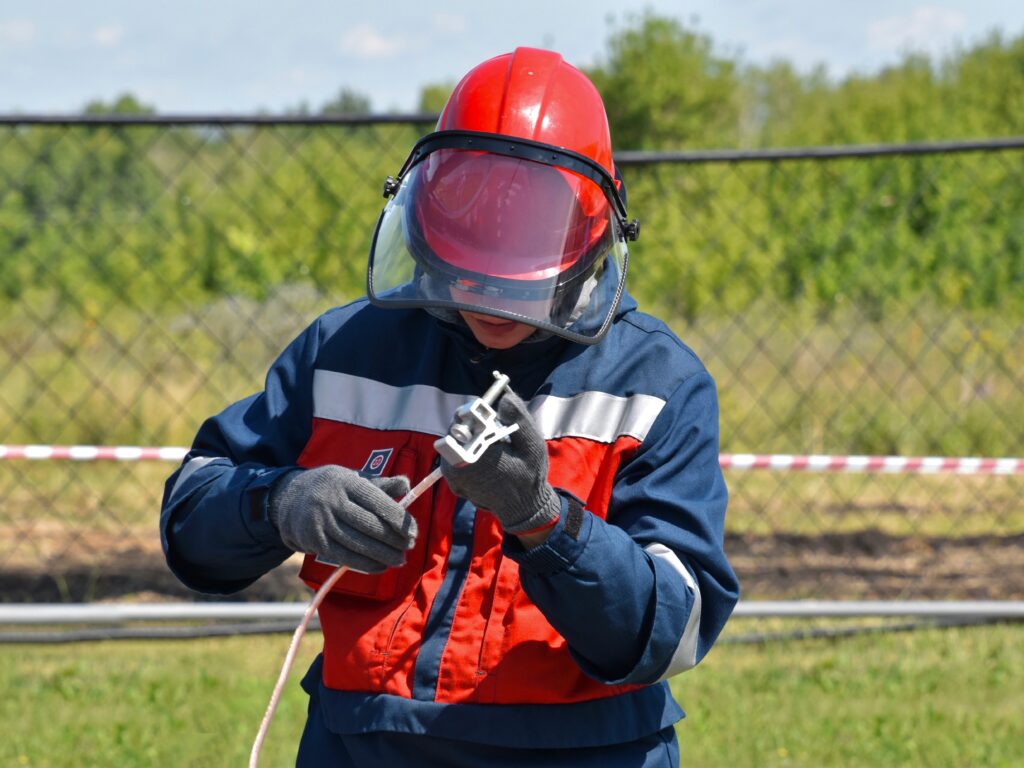
Course topics typically include:
- Hazard identification and risk assessment.
- Safe rescue practices for electrical incidents.
- Use and maintenance of PPE.
Through simulations, trainees practise rescuing colleagues from live situations. This builds confidence in their ability to manage real emergencies. Feedback from instructors helps refine their skills.
Certification for LVR is a mark of proficiency and compliance with industry standards. It’s a critical credential for wind turbine technicians. Like CPR, LVR certification enhances a technician’s career potential in the renewable energy field. View Skylar Education’s combined LVR and CPR course to see what’s covered and find a session near you.
LVR Training: Course Structure and Key Competencies
LVR training courses offer a structured approach to building key competencies. The courses begin with foundational safety principles and electrical theory. This theoretical base is crucial for understanding practical applications.
Trainees engage in hands-on rescue simulations. These exercises mimic real-world scenarios technicians may encounter. Practising in such controlled environments helps in mastering rescue techniques.
Key components of the course often cover:
- Assessing electrical risks swiftly and accurately.
- Executing safe and effective rescue manoeuvres.
- Maintaining and utilising protective equipment.
Programmes vary in format but typically include both online modules and in-person sessions. This ensures comprehensive learning, catering to different learner needs.
Instructors bring real-world experience, sharing insights that enrich the course content. Learners benefit from their practical tips and guidance, which prepare them for fieldwork.
Upon completion, participants receive a thorough understanding of both safety protocols and practical techniques. These competencies are invaluable for wind turbine technicians working in high-risk environments. For technicians also working at height, Skylar’s Work Safely at Heights course pairs well with LVR training to build a comprehensive safety skill set.
LVR Certification: Process and Renewal
Acquiring LVR certification involves several steps. Firstly, enrolment in an accredited training course is mandatory. Accreditation ensures the course meets industry standards.
Each course comprises both theoretical and practical assessments. These evaluations verify a participant’s understanding and ability to perform low voltage rescues effectively.
After passing the assessments, technicians earn their certification. However, learning doesn’t stop here. Ongoing education is vital to stay up-to-date with evolving safety protocols.
Certification generally requires periodic renewal. This process ensures that technicians maintain their proficiency. Renewals typically involve refresher courses and re-assessment of key skills.
To maintain certification, consider these steps:
- Enrol in refresher courses periodically.
- Stay informed about industry trends and safety standards.
- Undertake reassessments as required.
Renewing LVR certification not only keeps skills current but also reaffirms a technician’s dedication to safety and professional growth. It’s an essential part of career maintenance in the dynamic field of renewable energy.
Integrating CPR & LVR: Combined Courses and Industry Standards
Combining CPR and LVR training enhances a technician’s preparedness for emergencies. Many training providers offer integrated courses to streamline this learning process. These programmes meet industry standards and ensure comprehensive skill development.
Integrated courses bring several advantages. Technicians benefit from a cohesive curriculum that covers multiple safety protocols. This approach saves time and ensures consistency in the learning experience.
Participants gain both certifications through a single programme. Skylar Education’s combined CPR and LVR course is both efficient and cost-effective. It also reinforces the interconnected nature of these safety skills.
Key benefits of combined courses include:
- Streamlined training with a focused curriculum.
- Coordinated learning experiences for skill synergy.
- Efficient certification process to fast-track readiness.
These courses adhere to global standards for CPR and LVR. This compliance is crucial for technicians working internationally, ensuring uniform practices.
Integrating CPR and LVR emphasises safety priorities within the renewable energy sector. It prepares technicians to tackle diverse emergencies effectively, enhancing workplace security.
By completing these combined programmes, technicians demonstrate a robust commitment to safety. This commitment significantly increases their value to employers in the wind energy field. They become indispensable assets, capable of contributing to a safer work environment.
Choosing the Right CPR & LVR Training Provider
Selecting the right training provider is crucial for effective CPR and LVR education. The choice impacts the quality of the skills you acquire and your certification.
Consider the provider’s credentials and reputation first. Accredited providers adhere to high industry standards, ensuring comprehensive training. Skylar Education is a registered training organisation (RTO No. 21647) with purpose-built facilities and industry-experienced trainers across multiple Australian locations.
Examine the course structure and flexibility. Some offer online modules, while others emphasise hands-on practice. Choose based on your learning style and schedule.
Evaluate the support and resources provided. Quality programmes offer continued access to materials and expert trainers for ongoing assistance.
Here’s a checklist for selecting a provider:
- Accreditation and industry recognition
- Course content and delivery methods
- Trainer expertise and resources offered
- Cost and certification validity
Skylar Education delivers CPR and LVR training at locations across Australia, including Melbourne, Perth, Brisbane, Adelaide, and Sydney. Check the training calendar for upcoming dates.
Remember, the right provider can significantly enhance your learning experience. This ensures you are well-prepared for real-world scenarios and can confidently respond to emergencies.
Advancing Your Career: The Value of CPR & LVR Certification
Earning CPR and LVR certifications can open doors in the renewable energy sector. These skills not only ensure safety but also enhance your professional profile.
Technicians with certifications are more attractive to employers. They demonstrate a commitment to safety and readiness to handle emergencies. Combine them with GWO Basic Safety Training and you have a highly competitive skill set for the wind energy industry.
Here are some benefits of obtaining these certifications:
- Increased job opportunities
- Higher earning potential
- Enhanced safety skills
- Professional recognition
Renewable energy companies value certified technicians. They know they’re skilled and able to handle critical situations.
In conclusion, investing in CPR and LVR certification is a strategic move to advance your career.
Conclusion: Building a Safer Future in Renewable Energy
In the ever-evolving renewable energy sector, safety is paramount. CPR and LVR certifications equip technicians with lifesaving skills essential in high-risk environments.
These certifications are more than just credentials. They symbolise a commitment to safety and efficiency within the industry. By prioritising these skills, we contribute to a safer, more sustainable future.
Ready to get certified? View Skylar Education’s CPR and LVR course and book your spot today.